

Environmental and Social Impact of Leather Production
Environmental and Social Impact of Leather Production
Leather production has serious environmental and social consequences. On the environmental side, it contributes to:
- Deforestation
- Greenhouse gas emissions
- Water pollution
- Large amounts of waste
Socially, it often involves:
- Worker exploitation
- Health risks for those working in tanneries
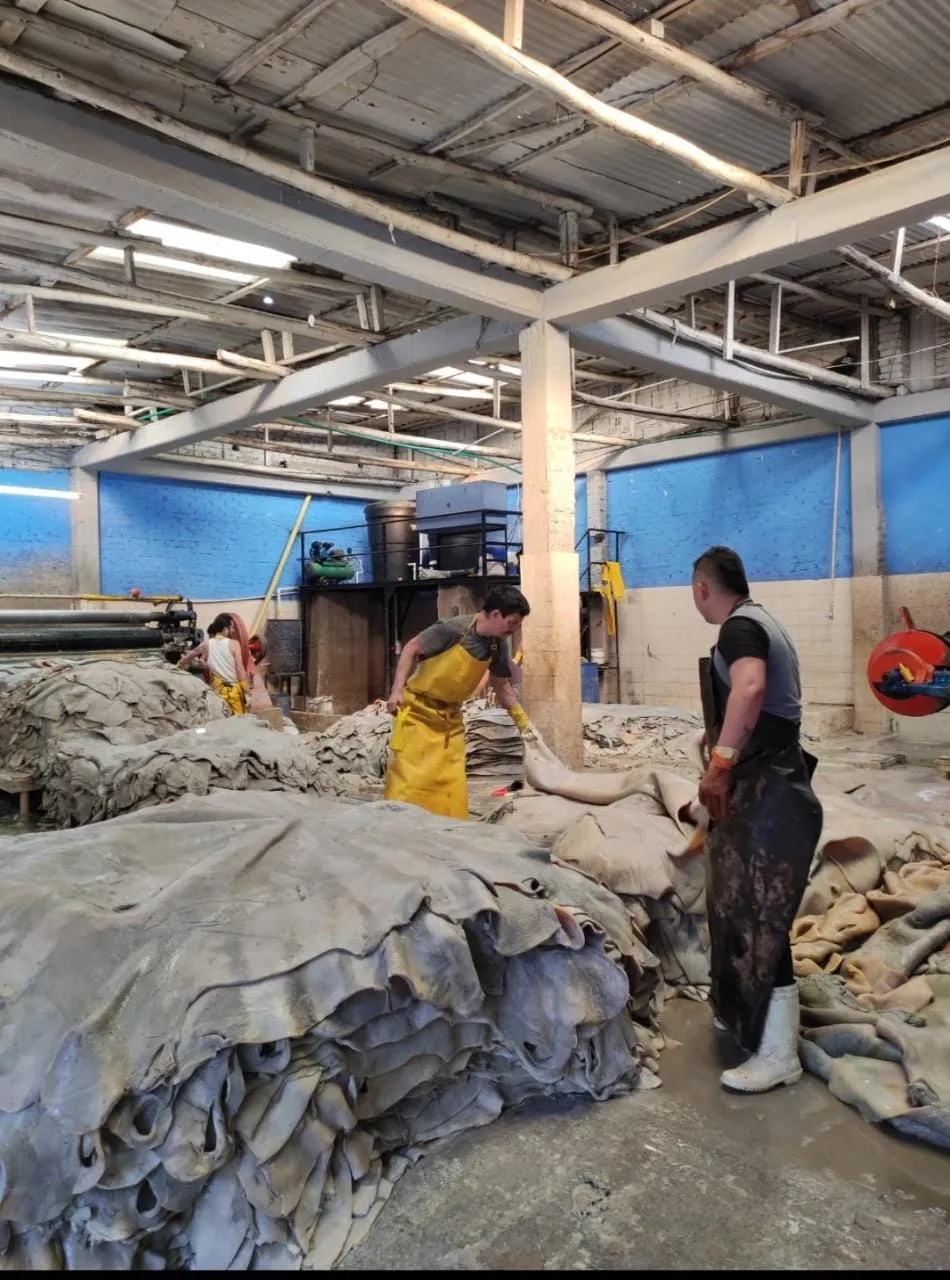
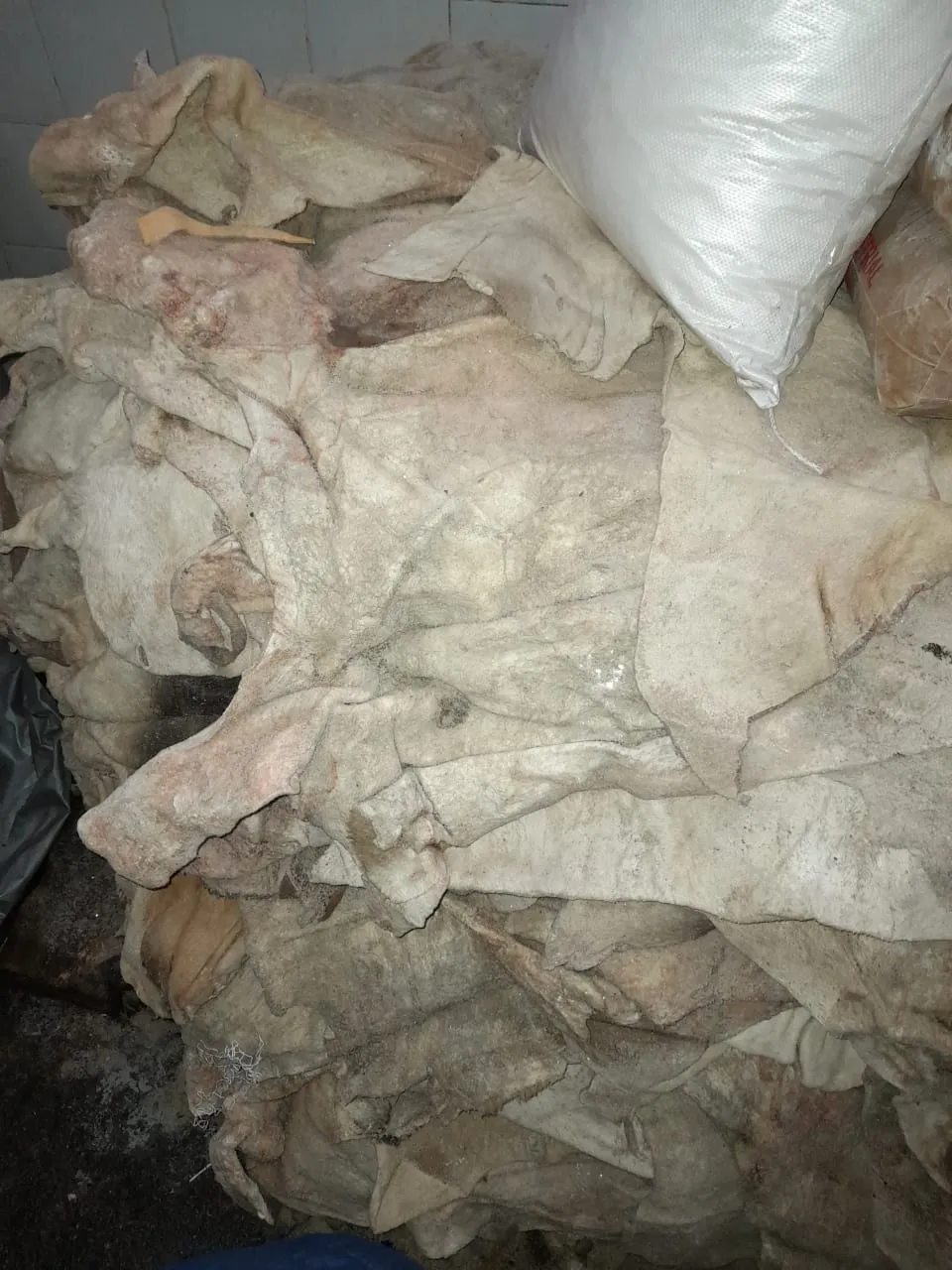
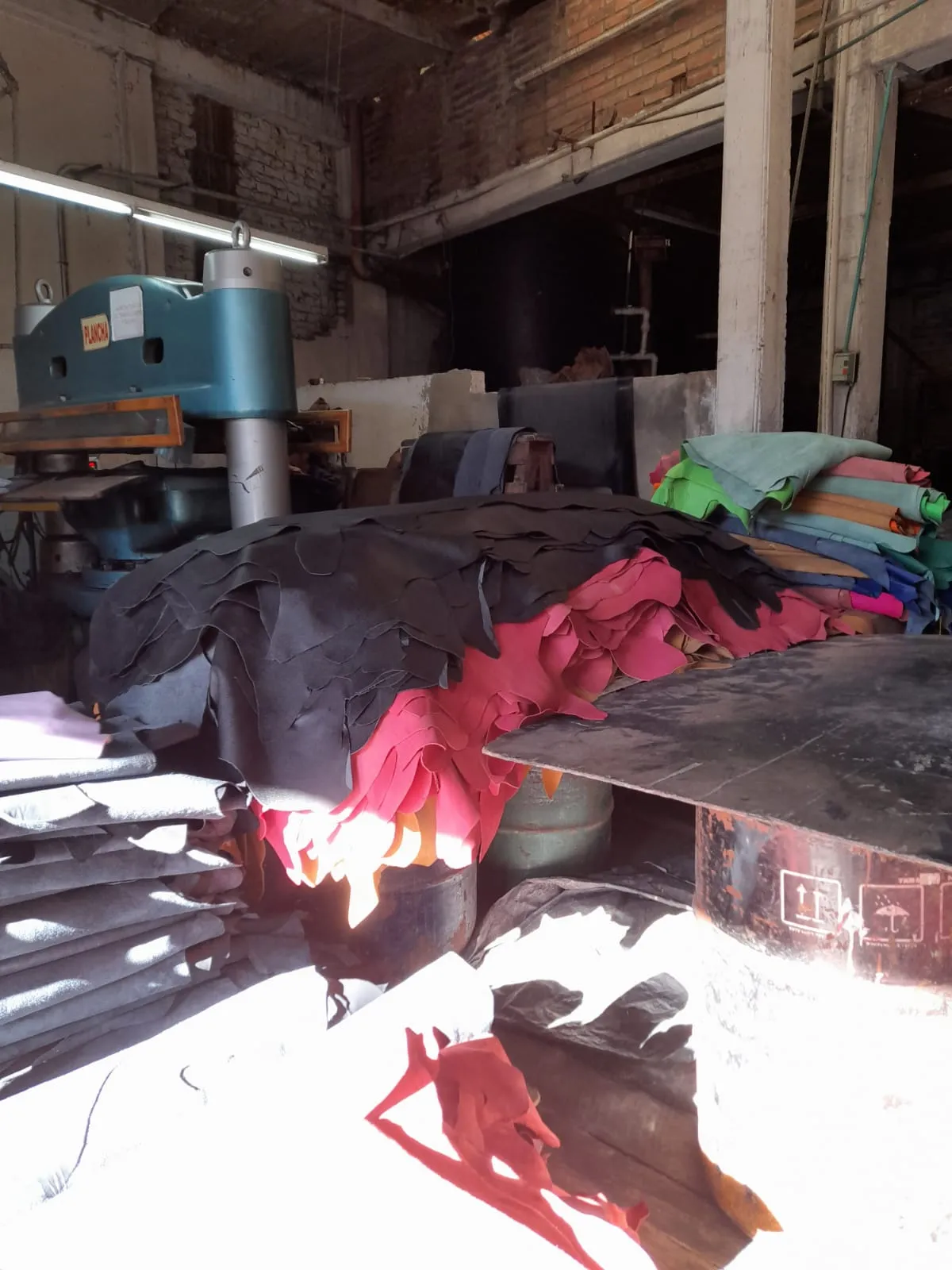
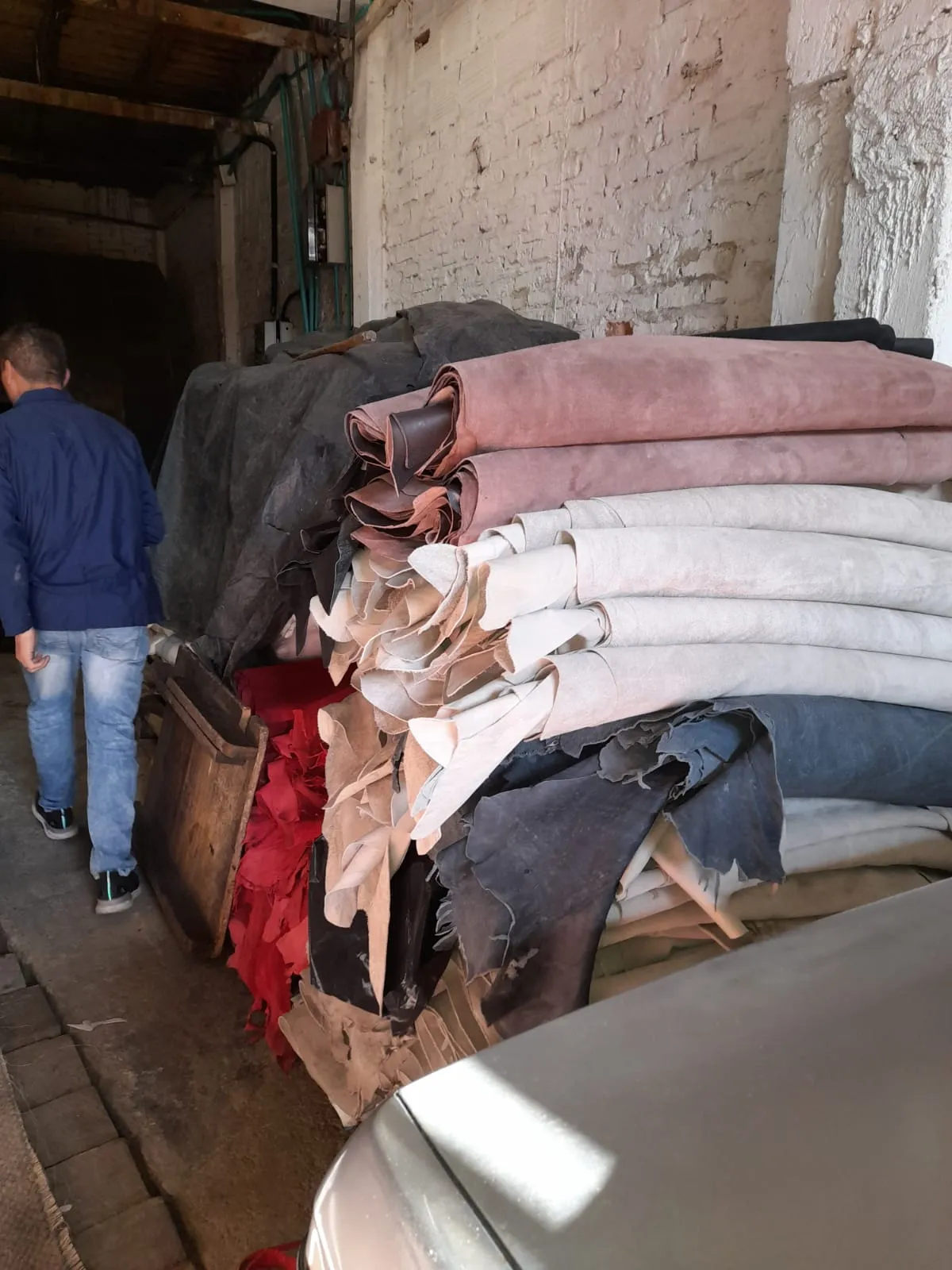
Figure 1. Tannery in San Benito, south of Bogotá (Colombia).
Traditionally, leather was tanned using natural methods, such as plant-based tannins from tree bark and leaves. However, with industrialization, faster methods were needed. This led to the rise of chrome tanning in the 19th century. Today, about 90% of the world’s leather is made using chromium tanning.
Although efficient, chrome tanning causes major environmental damage, especially due to poor waste management and lack of regulation and awareness. For example:
- Each kilogram of animal skin tanned produces about 30 liters of wastewater
- In India, the industry releases around 50,000 cubic meters of wastewater every day
In many countries, this industry is still poorly regulated, and workers are unaware of the health risks of chromium salts, as well as local communities suffer from polluted rivers and soil.
What Can We Do?
Consumers often prioritize price and fashion over sustainability. But real change requires stronger laws to enforce responsible leather production and more informed choices from consumers.
We need to balance environmental responsibility with product durability and quality.
So, before you buy your next leather accessory, ask where the leather comes from, understand how animals were raised and how the leather was processed and take better care of leather products to extend their life.
References
(ref.). The values and statistics presented here were taken from
https://cosh.eco/en/articles/navigating-natural-leather
(may 12, 2025)