

From Enemies to Allies: Using Viruses to Fight Bacterial Infections
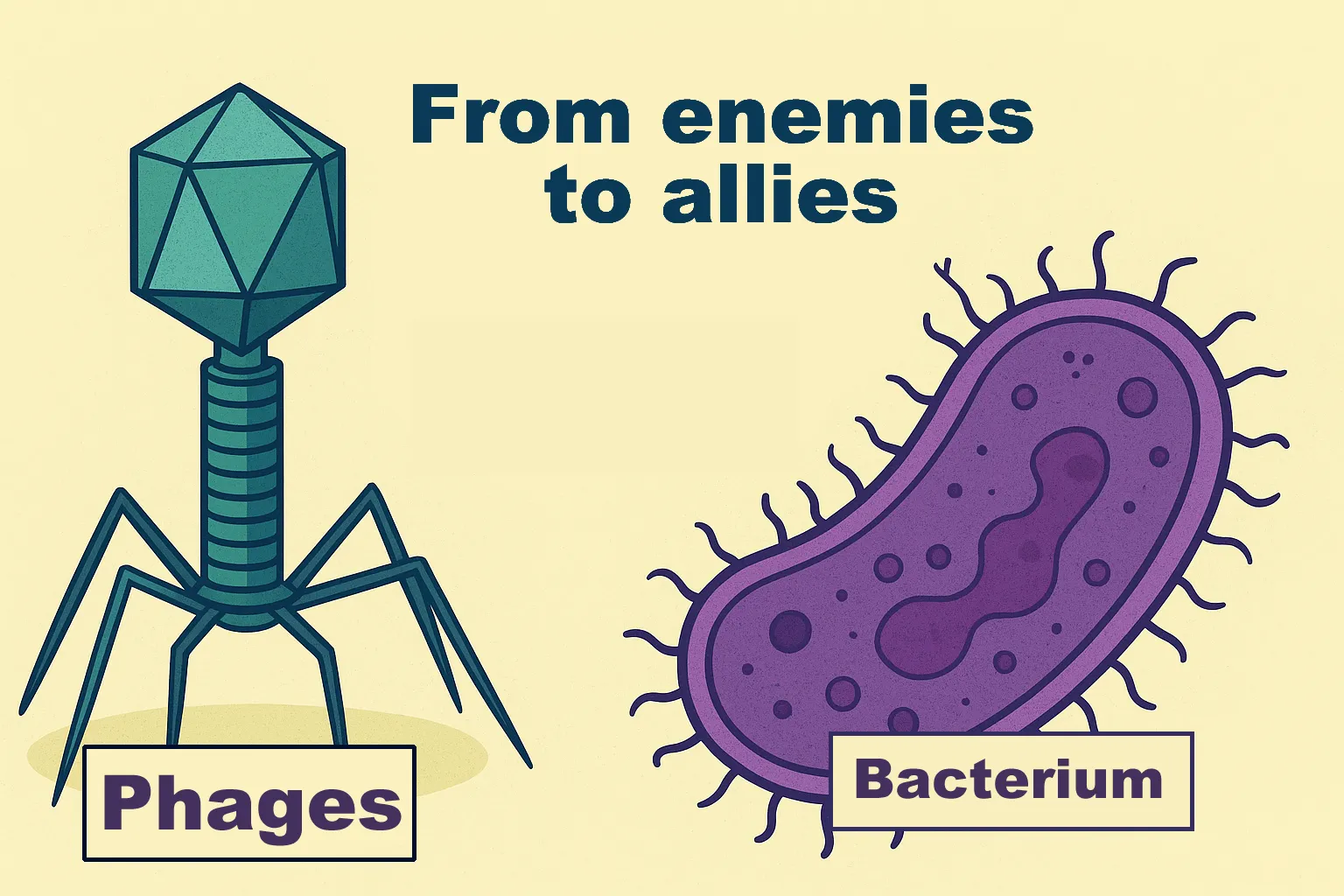
Figure 1. The use of viruses called bacteriophages to combat resistant bacteria and protect health.
What are bacteria?
Bacteria are living beings so small that we cannot see them with the naked eye.
They are everywhere: in the air, in water, and even inside our bodies.
They are very important because they perform key functions for the ecosystem and for our health.
However, there are also “bad” bacteria, better known as pathogens, that can cause diseases.
To fight these harmful bacteria, antibiotics are normally used. These are chemical compounds designed to eliminate them.
But nowadays, antibiotics are no longer as effective as before, and it is necessary to look for other alternatives to deal with them.
💡 If you want to know more about antibiotics, check out the July blog 😉
What do I do?
I specialize in studying viruses that infect bacteria.
Viruses are like a USB drive loaded with dangerous instructions: they can’t do anything on their own; they need to enter a living cell and use it as a factory to multiply.
These viruses are called bacteriophages, or simply phages.
They are even smaller than bacteria and have a very particular way of life: they need to enter a bacterium to reproduce, and at the end of the process, they destroy it.
Advantages of phages
- High specificity: they attack only problematic bacteria, without harming the good bacteria that live in our bodies or in the environment.
- Safety and sustainability: they are naturally found in almost every place imaginable, so their use is considered safe and eco-friendly.
- Effectiveness against resistant bacteria: they work even against bacteria that no longer respond to antibiotics.
Since they act in a completely different way, resistant bacteria cannot defend themselves effectively.
In fact, in some clinical cases where antibiotics no longer worked, phages have been used as an alternative treatment, with promising results.
This has motivated the scientific community to further investigate their potential applications in human, animal, and environmental health.
Remember
An unfinished or improperly discarded antibiotic today could mean a more difficult-to-treat infection tomorrow.