

Antibiotic resistance
Have you heard of antibiotic resistance?
Maybe that term isn’t familiar to you… but you’re definitely familiar with antibiotics, right? Those medicines we take when we have an infection. Well, antibiotics are no longer working. Why? Because many bacteria are becoming resistant. This means that even if we take the medication, it no longer works.
And this is very serious. Infections that were once easy to cure can now last longer, cause complications, or even be fatal. Did you know that thousands of people die each year from infections that don’t respond to antibiotics? And if we don’t act, by 2050 more people could die from resistance than from cancer.
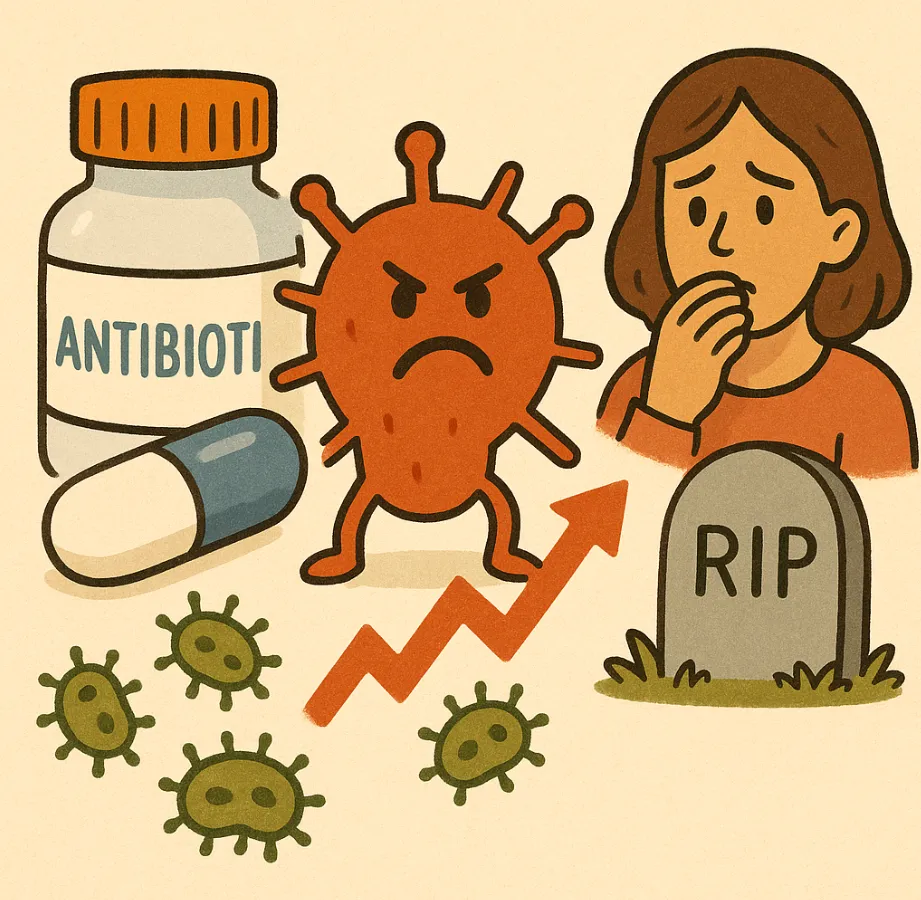
Figure 1. Antibiotic resistance is a global problem that affects everyone.
How did we get to this point?
- From taking antibiotics without a prescription or when we don’t need them.
- From not completing the full course of treatment.
- From overusing antibiotics in farm animals.
- Due to poor hygiene and lack of access to clean water and sanitation.
What am I doing?
In my research, I study the presence of antibiotic resistance genes in the water that comes out of our homes, hospitals, and streets. Through a wastewater-based epidemiology approach, we seek to understand how these genes are distributed in different areas of the city and how they relate to social and economic factors. This information can help us detect risks and improve prevention.
What can you do?
- Do not take antibiotics without a prescription.
- Always follow the full course of treatment.
- Maintain good hygiene.
- Share this information.
Resistance is a global problem, but together we can make a difference.
Acknowledgments: EXPOWASTE PID2022-139446OB-C21