Scientific Knowledge Within Citizens' Reach from the Classroom
The COVID-19 pandemic, declared in 2020, highlighted the importance of scientific knowledge in everyday life. The population, exposed to an avalanche of information regarding transmission, prevention, diagnosis, and the origin of the virus, became familiar with terms previously exclusive to the academic sphere, such as:
- PCR tests
- Antigens
- Mutations
- Messenger RNA (mRNA)
- Viral vectors
- Vaccine efficacy
Science ceased to be a matter reserved for specialists and became a public necessity, demonstrating its usefulness beyond academic settings.
This global phenomenon underscores the need to bring scientific knowledge closer to citizens, emphasizing its relevance in current contexts. With this goal in mind, it is proposed to use the classroom as a space for applied scientific education, where students create scientific outreach formats such as:
- Comic strips
- Drawings
- Videos
- Short stories
- Posters
- Illustrations
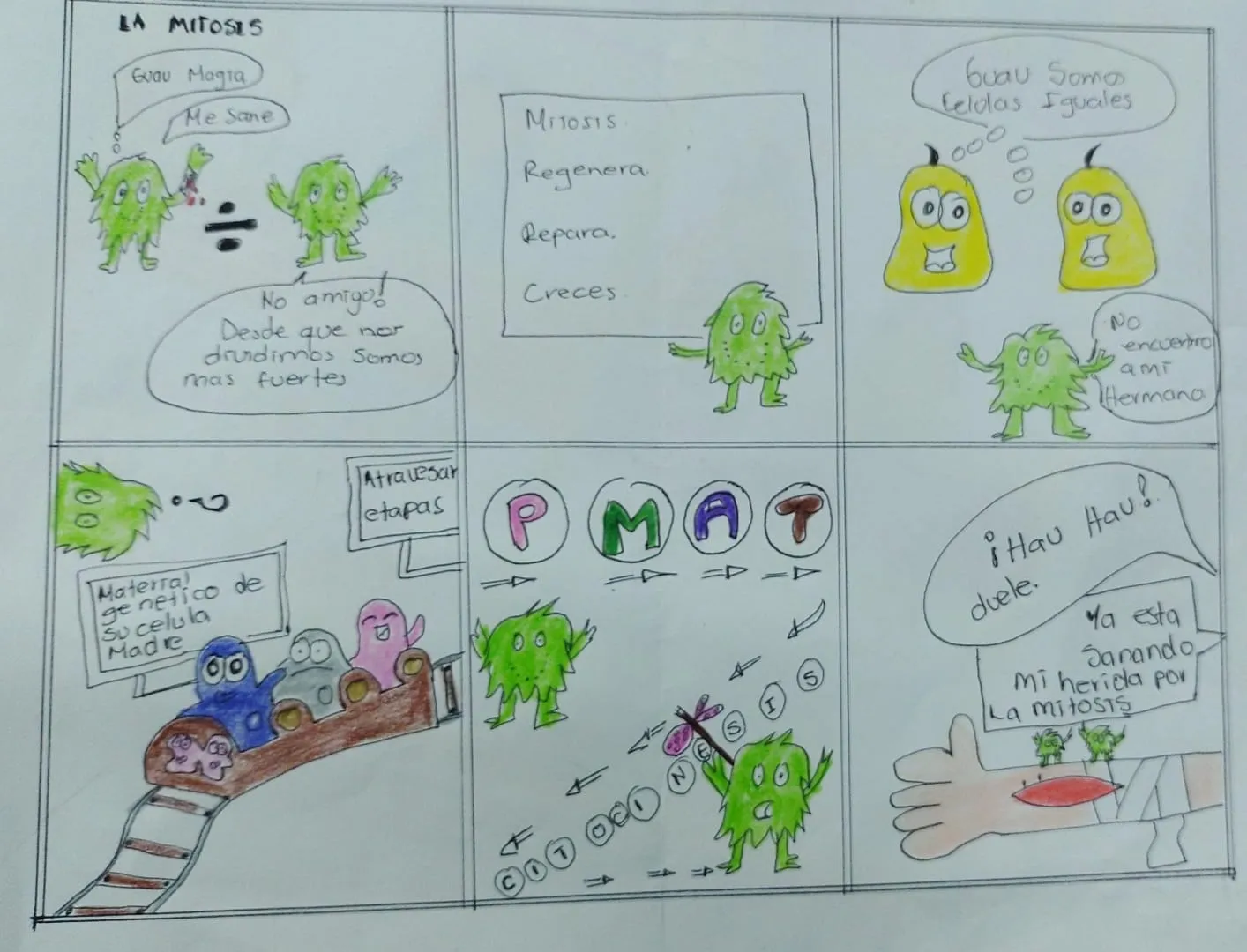
Figure 1. A comic that explains “accidents” at the cellular level.
These productions allow young people to take ownership of scientific language and become active communicators of what they have learned, sharing knowledge with their families and communities.
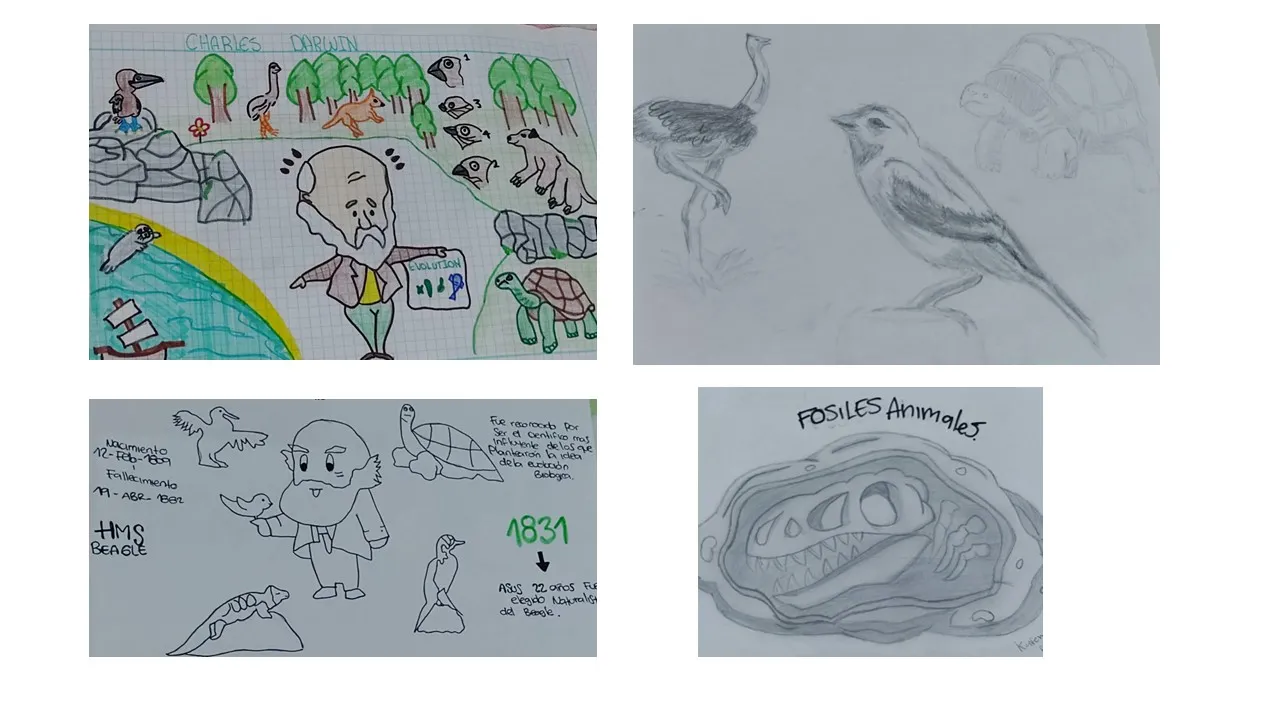
Figure 2. A picture is worth a thousand words. We discover our talents and use drawing as a universal means of communication.
Thus, the school becomes a dynamic center for the production of knowledge that transcends its walls, promoting public understanding of science. In a context of misinformation and polarization, training citizens capable of interpreting and communicating scientific knowledge is crucial. The development of outreach materials not only promotes the appropriation of knowledge but also strengthens critical and active participation in society.
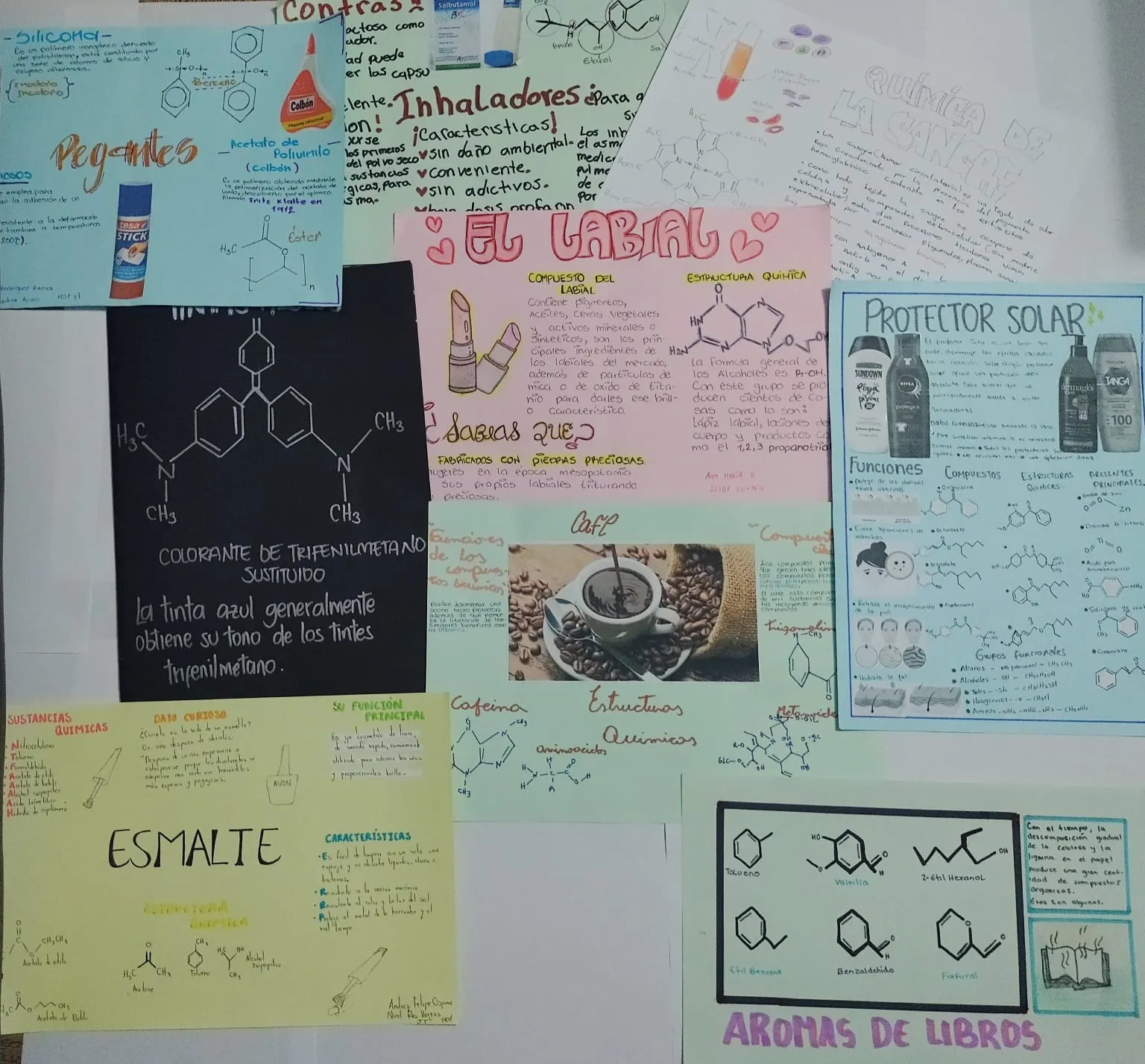
Figure 3. Learn - Do. We demonstrate the chemistry curriculum in the functions and properties of everyday products so that others can learn what we have learned and identify the role of science in daily life.
In this way, the aim is to consolidate the vision of science as a cultural product, accessible to all and fundamental for making informed decisions in daily life. The school transcends its physical space, and what is built there is created with, by, and for the communities, with the purpose of promoting public understanding of science.